

Sci-Fi & Future
Orbit
A rescue crew sent to retrieve a silent orbital station discovers that the station’s final distress signal came from Earth—twenty years in the future.
The One-Stop Platform for AI Drama Creators Worldwide. Helping creators make a great drama. From Tier 1, to Tier 1.
Sci-Fi & Future
The message arrived from somewhere that no longer exists.
A lone astronaut follows a signal through the quiet edge of orbit and finds a record that changes what the mission was built to protect.

A rescue signal becomes a demand to remember: the astronaut cannot save its senders, but can still stop their disappearance from history.
Anika Rao — A survey astronaut wants to finish a solitary assignment and return to her estranged family. Following the signal risks the disciplined reliability on which she has built her identity.
Jun Park — Her ground engineer wants every decision to have a safe technical answer. He must abandon the comfort of approved procedures when the official route becomes the wrong one.
Selene Voss — The mission director wants the new station to succeed and her old decision to remain buried. She believes saving the archive protected humanity’s future, while Anika insists that the people left behind are part of that future too.
Near-future orbital infrastructure, where obsolete hardware outlives the institutions that installed it. Radio delay, limited power and scheduled debris clearance turn an archive retrieval into a race against a visible clock.
Quiet awe, growing unease and human warmth carried through sparse voices. Suspense comes from distance and difficult choices rather than constant combat.
A small illuminated cabin against immense blue-black space. Repeat the rhythm of a distant signal light, use reflections to keep Anika present beside the archive, and let the final beacon feel warmer without changing the cold environment.
For viewers who enjoy contained space mysteries, ethical science fiction and relationships built through voice rather than proximity.
Suggested as a compact space serial with one principal onboard performance, remote conversations and selective exterior sequences.
The lost facility may be an orbital station, lunar outpost or deep-space relay. The archive can concern an evacuation, abandoned expedition or suppressed discovery. Preserve the distinction between a recorded voice and a living survivor, and make the final power trade-off understandable.
Astronaut Anika Rao is alone aboard a survey craft, mapping debris before an automated burn clears an abandoned orbital corridor. A distress message arrives from Vesper Station, destroyed eleven years earlier. It names a shuttle absent from every official evacuation list. Anika’s mission director, Selene Voss, orders her to log the transmission as interference and maintain course. Her ground engineer, Jun Park, quietly confirms that its old relay code is genuine.
Anika follows the signal to a damaged buoy outside the approved route. Its transmitter has spent years waiting for a receiver with her craft’s obsolete maintenance key. The message is not coming from survivors: it is the station’s final dispatch log, showing that an evacuation shuttle was redirected to save a research archive while a second group waited for transport that never returned. Selene authorized that decision. The current clearance burn will destroy the buoy, the last independent copy of the record.
Selene offers to clear Anika’s unauthorized detour if she abandons the archive and turns for home immediately, arguing that exposing the decision will jeopardize the new station project. Jun discovers that broadcasting the full log requires the antenna power reserved for Anika’s final navigation correction. She sends the record and asks Jun to guide her through the remaining corridor using timed light pulses from a relay beacon. The return is slow and uncertain, but she reaches the rendezvous. The mission ends with the missing passengers’ names being read on the ground, and Anika hearing a live human voice answer where the dead station’s signal had been.
The official station casualty list excluded a stranded evacuation group. Selene’s archive-first decision, rather than a total communications failure, explains why no shuttle returned for them.
The buoy opens only when it recognizes Anika’s maintenance key. The apparent live plea is an eleven-year-old dispatch record, and the mission’s scheduled burn will erase its source.
Anika transmits the names and evidence, then returns with Jun’s improvised guidance. Survival and disclosure both matter: she does not need to die to make the truth count.
Move from anomaly to authentication, then from retrieval to the buried evacuation decision. Each new piece of the log changes the meaning of an earlier instruction; the closing chapters join the transmission choice to the return journey.
Tell us what moves you, what you would keep, and where you want to take the story.
A rescue crew sent to retrieve a silent orbital station discovers that the station’s final distress signal came from Earth—twenty years in the future.
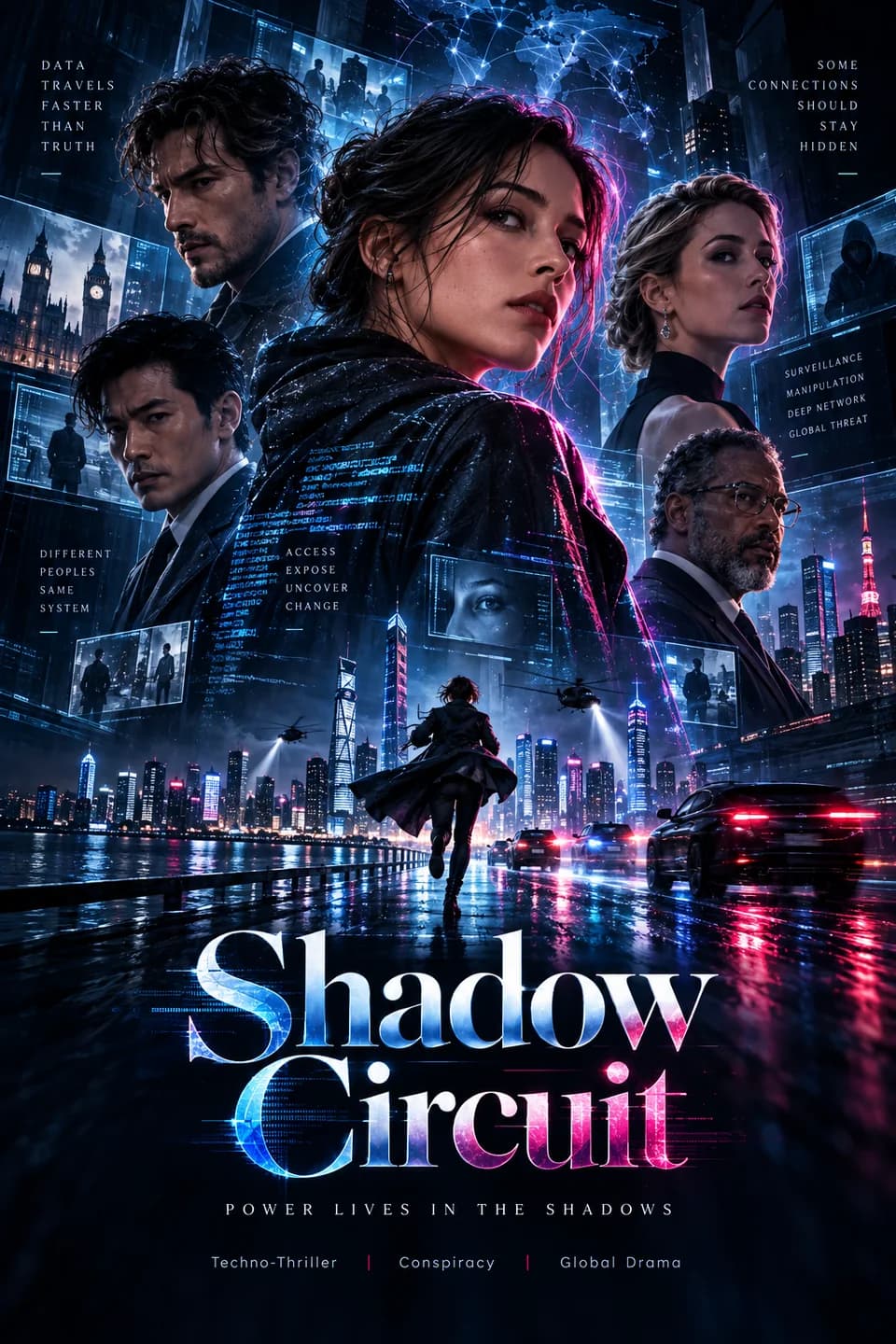
A cybersecurity analyst uncovers a hidden AI network capable of predicting human decisions—and learns that the system has been modeling her life for years.

A journalist returns to the city that erased her family from the record, only to discover that the man helping her uncover the truth may be tied to the night her father vanished twelve years ago.