Source & story rules
A readable source, selected chapters or footage, character relationships and what should not change.
The One-Stop Platform for AI Drama Creators Worldwide. Helping creators make a great drama. From Tier 1, to Tier 1.
Your next creative step is on its way.
Turn a novel, comic, game world or existing work into a scoped screen adaptation. Decide what must stay, what can change and which rights need review.
SOURCE → INTERPRETATION → SCREEN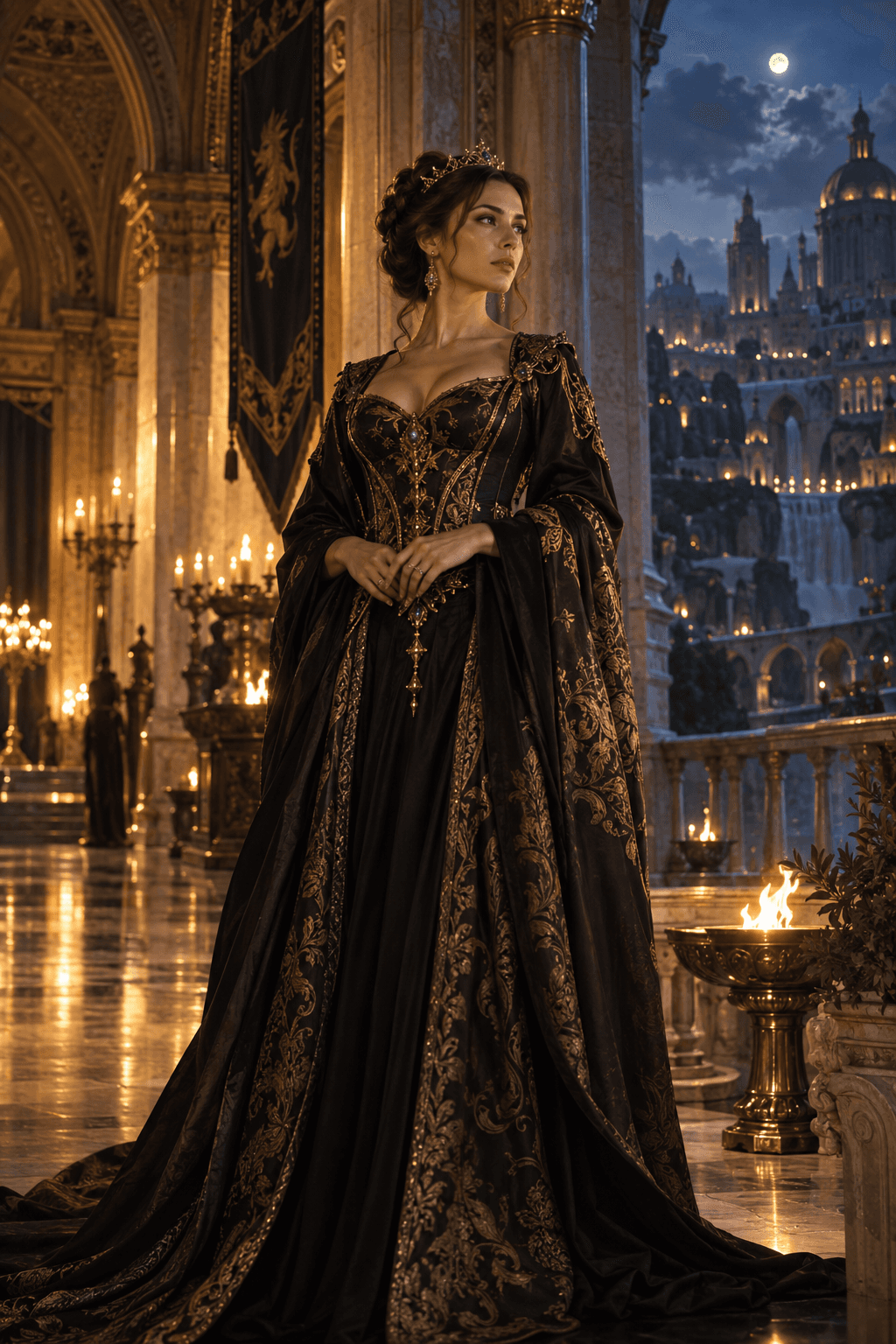
For rights holders, authors and teams exploring a screen version of an existing work.
The source format shapes the preparation, creative choices and permission checks. No permission is granted by selecting an option.
Explore a short original example. The selections become adaptation requests — not edits to the source work or permission decisions.
She returned to the capital carrying a letter she had never opened. At every doorway, someone remembered a version of her she no longer recognized.
Selections record discussion priorities. They do not change the source or confirm adaptation rights.
A readable source, selected chapters or footage, character relationships and what should not change.
Your role, relevant documents and any limits on characters, settings, language or use.
Preferred format, tone, episode direction and how closely the adaptation should follow the source.
The confirmed structure, character priorities and creative rules; the exact written handover is separately listed.
The sample or full-project scope agreed after source and permission review.
The service does not automatically supply, transfer or clear rights to the original work. Your statement is subject to review.
Changing the core story, lead characters, world or format after scope confirmation requires a new assessment.
You Provide the source and clarify your role.
T1Drama Identify the story core and permission questions.
You Choose what to retain and what to rework.
T1Drama Define screen structure, treatment and scope.
You Review the agreed character and visual choices.
T1Drama Develop the scoped treatment or optional sample.
You Approve the agreed production result.
T1Drama Complete production and deliver the specified versions.
You can begin by discussing the source and your role. Permissions must be clarified before restricted material is used in production or published.
Do not assume that it does. The permitted changes and uses need to be identified for the specific material and agreement.
State those as fixed elements in the brief. We then discuss how to express them on screen within the permitted scope.
No. It is one way to explore an adaptation direction. It does not replace source review, scope confirmation or permissions.
Language and cultural adaptation can be discussed as separate scope items. They are not automatically included in every adaptation project.